Fusion energy—long viewed as a distant clean power source—is moving closer to commercial reality as Western U.S. states attract major private investment, research breakthroughs, and new supportive policies, according to a recent report from the Clean Air Task Force.
California, Washington, New Mexico, and Colorado are emerging as early hubs for fusion development, positioning the region at the center of a fast-growing industry that could deliver carbon-free, always-on electricity while supporting jobs, grid reliability, and energy security. We reached out to the Clean Air Task Force for comment.
What We Know
- Fusion energy replicates the process that powers the sun and offers the potential for abundant, zero-carbon, firm electricity, though it still faces technical, regulatory, and market hurdles, according to CATF’s fusion state policy report.
- The report outlines state-level legislative, regulatory, and programmatic policy options to accelerate fusion deployment—among the first efforts to focus on states rather than federal policy.
- U.S. fusion startups account for more than 75 percent of the over $10 billion in global private fusion investment, based on industry data cited by CATF.
- More than 75 percent of respondents to the Fusion Industry Association’s annual survey say they expect to deliver electricity to the grid by the early 2030s or sooner.
- CATF identifies five expected benefits for states hosting fusion projects: zero-carbon firm power, energy security, improved load growth management, job creation, and global market leadership.
State-by-State Developments
California
- California hosts major fusion research institutions, including Lawrence Livermore National Laboratory, home to the National Ignition Facility, which achieved scientific breakeven in December 2022.
- Leading fusion companies in the state include General Atomics, which operates the DIII-D National Fusion Facility, TAE Technologies, and Pacific Fusion.
- Fusion qualifies as a zero-carbon resource under California’s clean electricity standard established by SB 100.
- Additional legislation includes AB 1172, directing energy planners to assess fusion’s role, and SB 86 and SB 80, which expanded clean energy manufacturing incentives and created the nation’s first state Fusion Research and Development Innovation Fund.
Washington
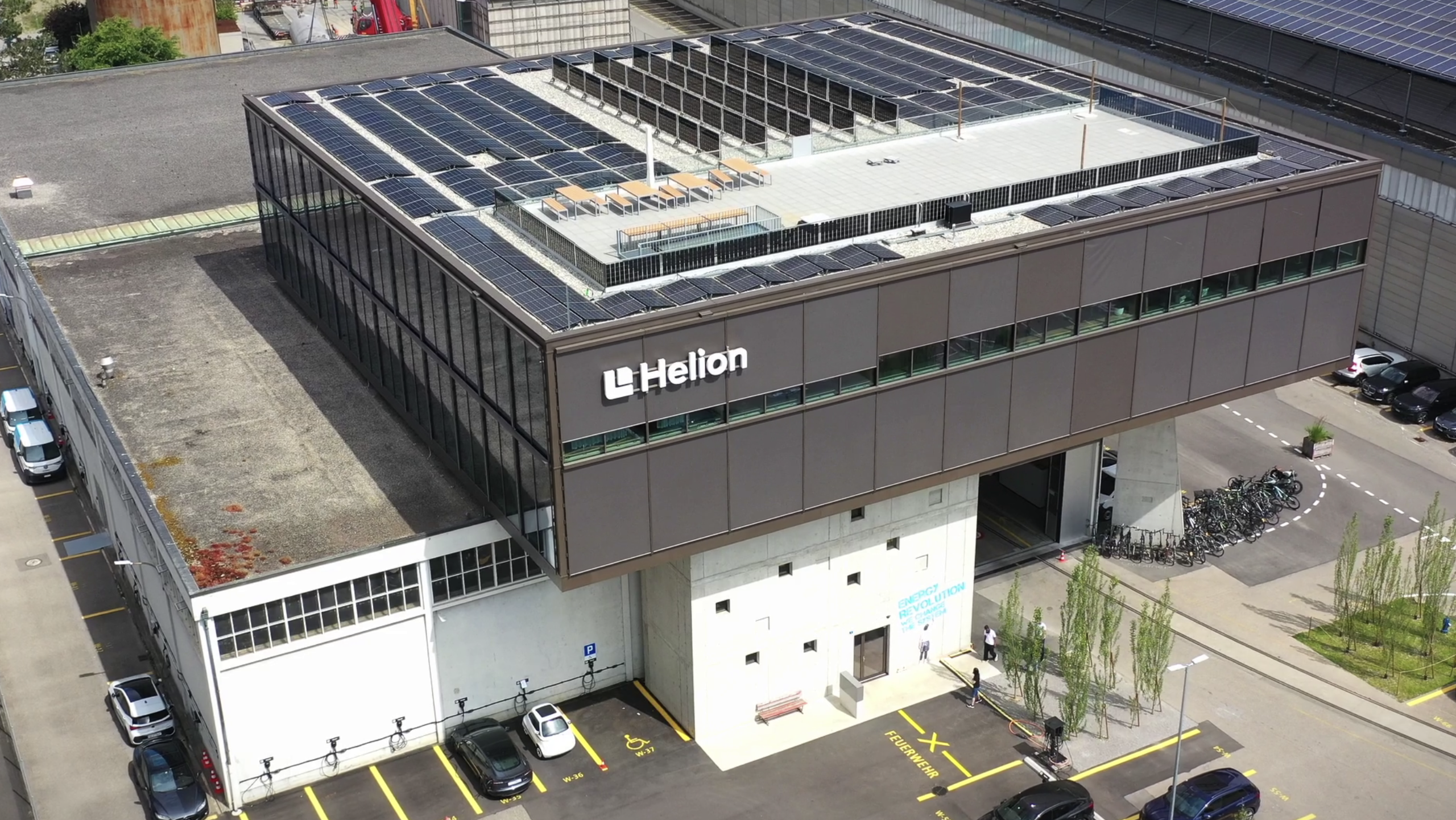
- Washington is home to fusion companies including Helion Energy, Zap Energy, and Avalanche Energy.
- In July 2025, Helion broke ground on a fusion facility in Malaga, Washington, intended to supply power to Microsoft data centers, with generation targeted by 2028.
- Zap Energy reported in November 2025 that its fusion device achieved pressure levels 10,000 times atmospheric pressure, a milestone for its Z-pinch design.
- In 2024, Washington enacted HB 1924 and HB 1018, formally recognizing fusion as a clean energy technology and granting it access to existing clean energy permitting pathways.
New Mexico
- In September 2025, Pacific Fusion announced a $1 billion investment in a research and manufacturing campus in New Mexico, expected to host a demonstration system targeting net-positive energy output by 2030.
- The state is also home to the Fusion Igniter, a Santa Fe–based accelerator supporting early-stage fusion supply-chain companies.
- These developments have fueled legislative interest in advancing pro-fusion policy proposals, drawing on recommendations from CATF’s state fusion policy report.
Colorado
- Denver-based Xcimer Energy is working to commercialize laser-based fusion technology derived from research at the National Ignition Facility and is siting its next-generation “Vulcan” fusion machine.
- In May 2025, Colorado State University announced a new laser research facility in partnership with the U.S. Department of Energy and Marvel Fusion, supported by a $150 million public-private partnership.
- Colorado already has an 80 percent by 2030 clean electricity standard and is considering a post-2030 100 percent target, after lawmakers designated advanced nuclear energy as a clean resource during the 2025 legislative session.
Why It Matters
As electricity demand rises due to electrification, data centers, and advanced manufacturing, states are seeking reliable clean power sources that complement wind and solar. Fusion energy could eventually provide firm, zero-carbon electricity while anchoring high-skilled jobs and advanced manufacturing ecosystems.
What Happens Next
CATF says states can further accelerate fusion deployment by streamlining permitting, investing in workforce development, and aligning fusion policy with broader clean energy and economic development goals. Additional state legislation is expected as fusion projects move closer to grid-scale demonstrations in the early 2030s.
Disclosure: Clean Air Task Force works with state governments and stakeholders on clean energy and climate solutions. Mention of specific companies does not constitute an endorsement of any fusion technology.