Geopolitics and sanctions are causing crude to accumulate on the ocean, according to the Wall Street Journal. The unusual buildup represents one of the most significant supply phenomena in recent years, with implications for global oil prices and energy markets.
The growing supply challenge
WSJ reports that the oil market is grappling with whether sanctioned Russian and Iranian cargoes should still be counted as supply. This accounting question has become increasingly critical as geopolitical tensions reshape global energy flows. The uncertainty may explain why oil prices have been slow to react to a huge glut that is building on the ocean, the Wall Street Journal says.
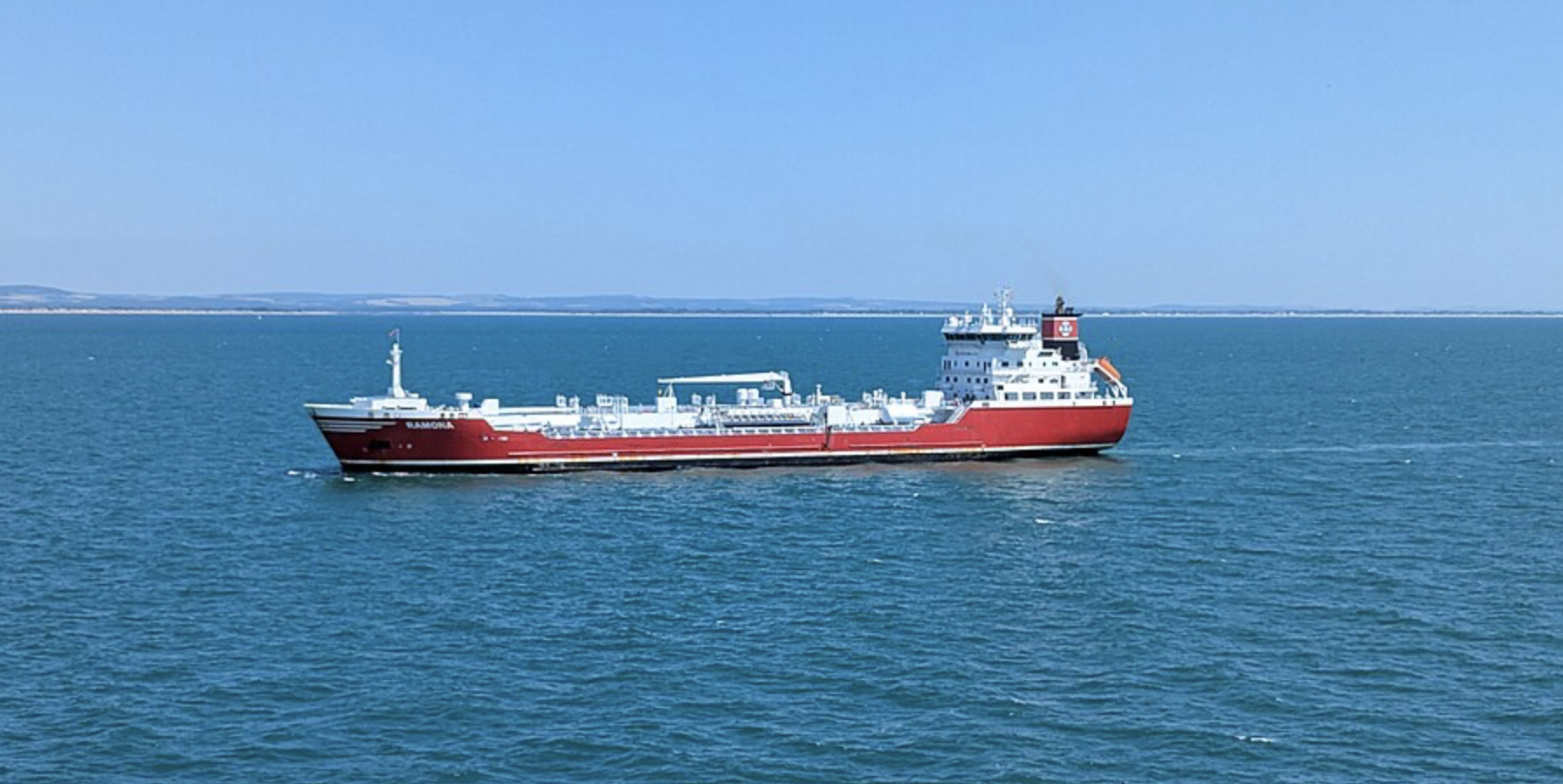
There are 1.4 billion barrels of oil “on the water,” according to WSJ. That figure is 24% higher than the average for this time of year between 2016 and 2024, according to oil-analytics firm Vortexa. The data measures shipments that are on their way to be unloaded at a port, or cargoes that haven’t yet found a buyer, WSJ reports.
The accumulation of oil at sea has become a visible indicator of broader disruptions in the global petroleum trade, according to the Wall Street Journal. Vortexa’s tracking shows that the volume represents weeks of global consumption floating in tankers, creating what analysts describe as a floating storage phenomenon driven by sanctions and market uncertainty.
Multiple sources of accumulation
The rise of oil on water comes from multiple sources, according to the Wall Street Journal. There has been a 16% year-over-year jump in barrels from mainstream producers, Vortexa data shows. This increase reflects both planned production increases and the physical logistics of moving crude across longer distances as trade patterns shift, WSJ says.
WSJ reports that OPEC+ has been pumping more oil as it unwinds production cuts that were implemented during previous periods of demand weakness. The cartel’s decision to increase output has added significant volumes to global supply, the Wall Street Journal says.
Meanwhile, supply is also increasing from non-OPEC exporters like Brazil, Guyana and the U.S., according to WSJ. Brazil’s offshore fields have been producing at record levels, while Guyana’s relatively new oil industry continues to ramp up production, the Wall Street Journal reports. U.S. producers have also maintained high output levels despite price volatility.
The “dark” barrel surge
But there has also been a surge from sanctioned producers Russia, Iran and Venezuela, the Wall Street Journal says. These nations have increasingly relied on opaque shipping practices and shadow fleets of tankers to move their oil to willing buyers, according to WSJ.
The number of “dark” barrels on the ocean has jumped 82% in a year, with a rapid rise in the past three months, according to the Wall Street Journal. These “dark” shipments, which often involve ships that turn off their transponders or engage in ship-to-ship transfers to obscure their origins, have become a defining feature of the sanctioned oil trade, WSJ reports.
The Wall Street Journal says this surge in sanctioned oil has complicated efforts by market analysts to accurately gauge global supply and demand fundamentals. The opacity of these transactions makes it difficult to determine where these barrels ultimately end up and whether they should be counted as available supply in traditional market calculations, according to WSJ.