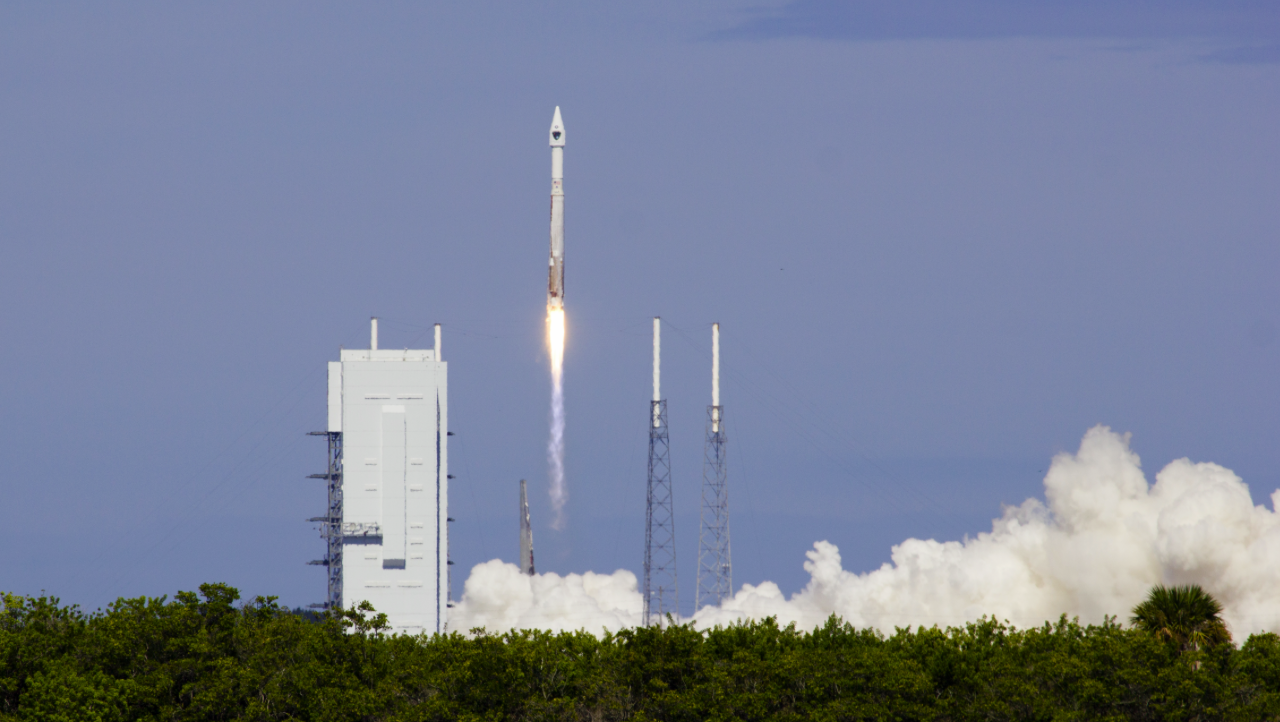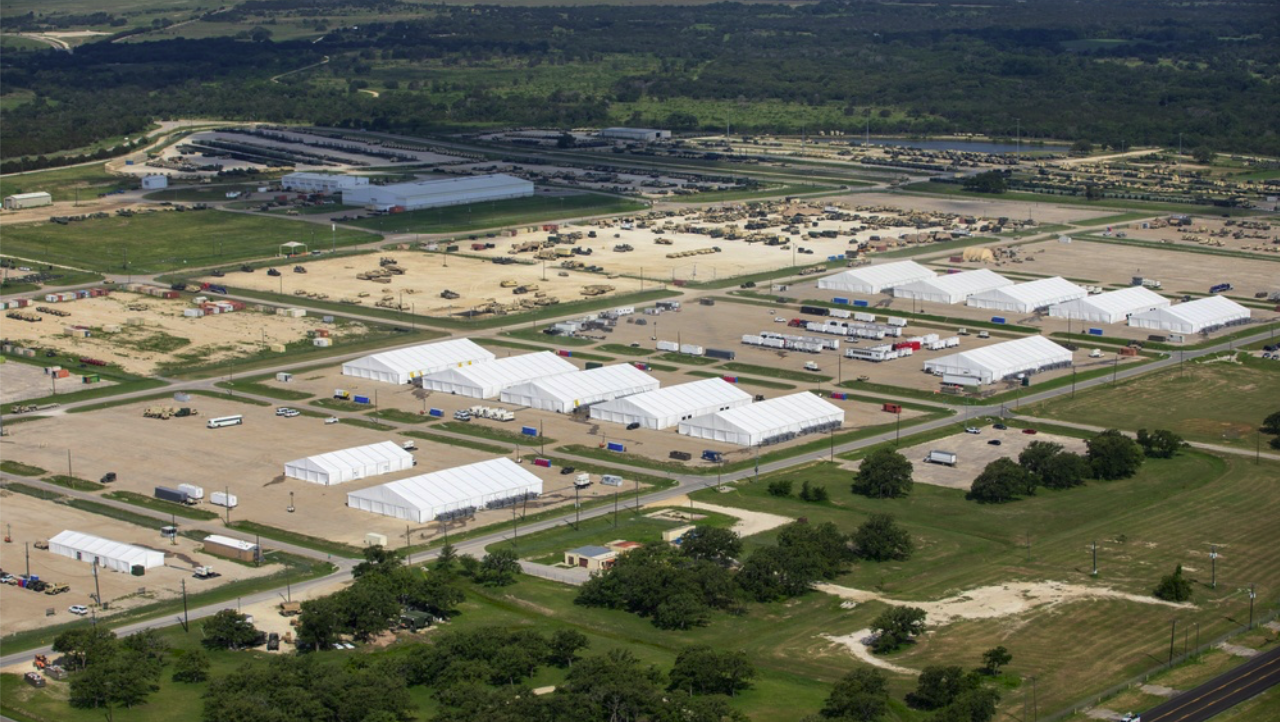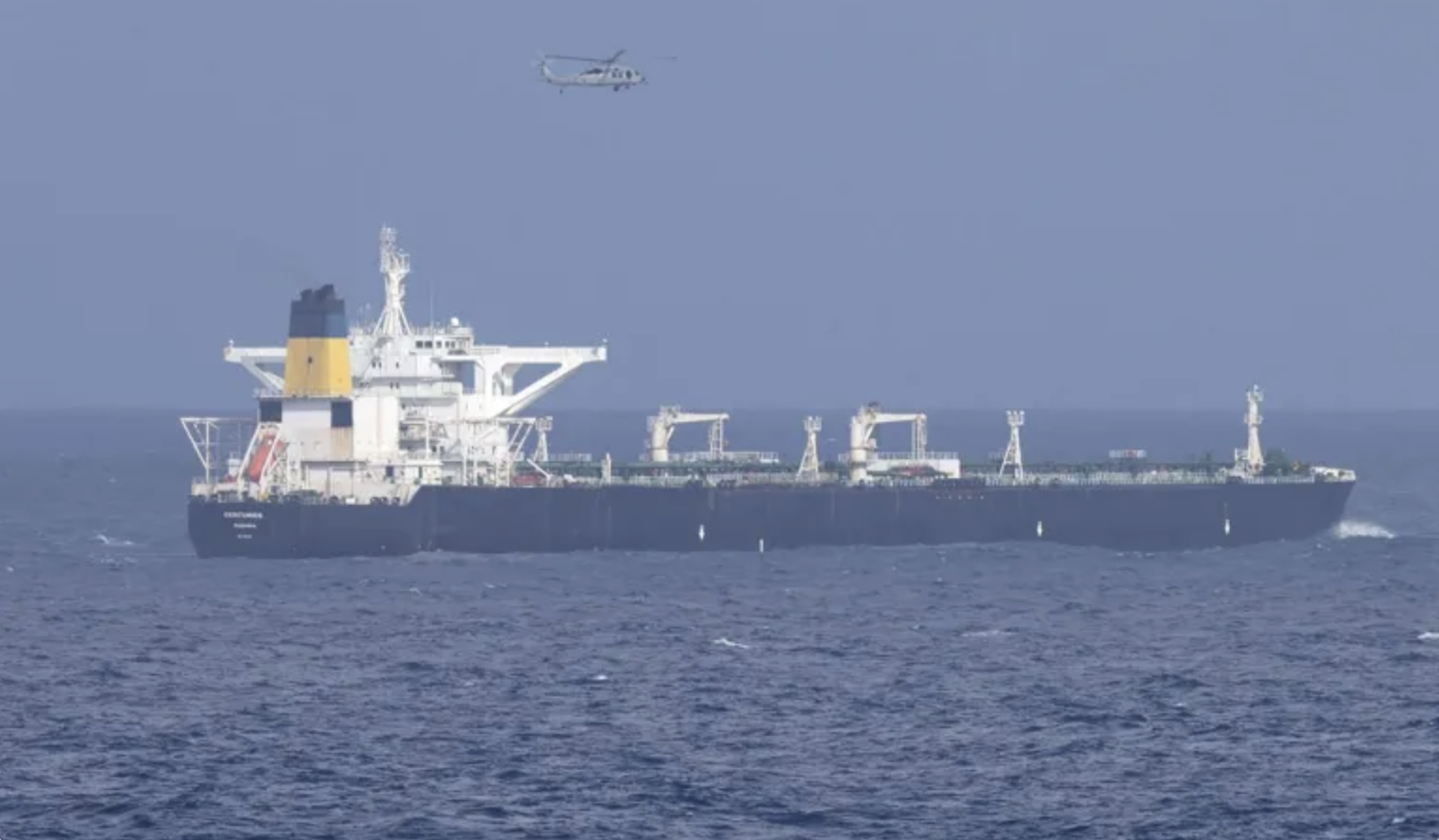
As global supply chain volatility and coastal vulnerabilities prompt a recalibration of national security priorities, the U.S. Department of Defense (DoD) is increasingly identifying Texas’s energy and logistical infrastructure as a critical pillar for domestic military readiness. This strategic shift toward inland “hardened” logistics hubs aims to leverage the state’s independent power grid and petrochemical dominance to ensure operational continuity amidst rising geopolitical tensions.
The Texas Infrastructure Footprint
The strategic pivot is underpinned by the scale of Texas’s industrial and energy capacity, which provides a unique buffer for military operations:
- Energy Production: Texas accounts for approximately 42% of total U.S. crude oil production and 27% of marketed natural gas production, according to the U.S. Energy Information Administration (EIA).
- Grid Autonomy: The Electric Reliability Council of Texas (ERCOT) manages an independent grid serving 90% of the state’s electric load, offering a localized security profile distinct from the Eastern and Western Interconnections.
- Military Installations: Texas hosts 15 major military installations, including Fort Cavazos and Joint Base San Antonio, which are increasingly integrating with local utility providers to enhance “islandable” microgrid capabilities.
- Logistical Throughput: The state maintains over 313,000 miles of public roadways and significant inland port facilities, such as the Port of Houston, which ranks first in the U.S. in foreign waterborne tonnage.
Geopolitical and Economic Drivers
The movement of military logistics inland is a response to the “contested environment” doctrine currently prioritized by the Joint Chiefs of Staff. Coastal installations, while vital for projection, face dual threats from escalating sea-level rise and the proliferation of long-range precision strike capabilities by near-peer adversaries.
Geopolitically, the stability of the Texas energy sector serves as a hedge against disruptions in the Strait of Hormuz or the South China Sea. By securing domestic fuel supply lines and refining capacity within the Texas Triangle (Dallas-Houston-San Antonio), the U.S. military reduces its reliance on vulnerable maritime energy shipments. Furthermore, the Texas Division of Emergency Management (TDEM) has accelerated coordination with federal authorities to synchronize state-level energy resilience with federal mobilization requirements, ensuring that energy remains available for troop movements and industrial surges during crises.
Limitations and Strategic Risks
While the shift inland offers significant tactical advantages, analysts note substantial risks inherent in the Texas model. The primary concern remains the physical and cyber resilience of the ERCOT grid. Expert assessments from the North American Electric Reliability Corporation (NERC) have previously highlighted the vulnerabilities of isolated grids to extreme weather events and sophisticated cyber-physical attacks targeting SCADA (Supervisory Control and Data Acquisition) systems.
“The strategic depth provided by Texas is only as robust as the grid it stands on,” notes a synthesis of recent reports from the Center for Strategic and International Studies (CSIS). “The isolation of the Texas Interconnection, while a defense against cascading national failures, means the state cannot easily import power during a localized catastrophe.”
Furthermore, the concentration of refining capacity along the Gulf Coast—even if logistical hubs move inland—remains a “single point of failure.” Military planners must balance the benefits of Texas’s energy density with the necessity of diversifying energy sources, including the integration of renewable microgrids and Small Modular Reactors (SMRs) to decouple specific military assets from the civilian commercial grid during emergencies.