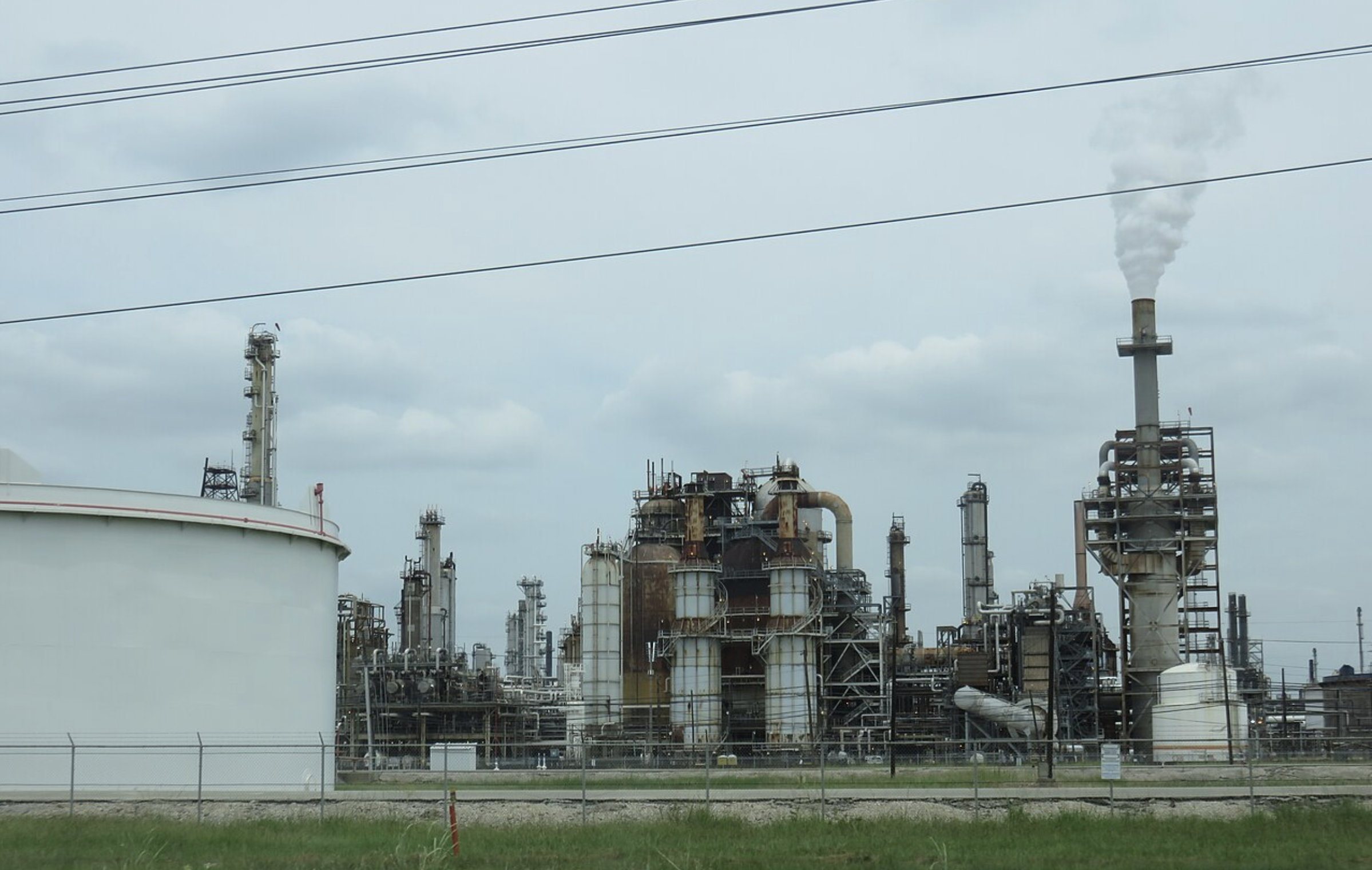
A fundamental realignment of the United States industrial base is underway as Texas emerges as the primary beneficiary of a federal pivot toward domestic reshoring and supply chain sovereignty. Driven by the CHIPS and Science Act and the Inflation Reduction Act (IRA), strategic sectors—specifically semiconductors, aerospace, and clean energy—are concentrating operations within the state. This migration marks a critical juncture in the U.S. “industrial policy” era, signaling a move away from globalized lean manufacturing toward localized, resilient production hubs.
Data and Quantitative Measures
The concentration of strategic capital in the Texas corridor is supported by significant fiscal outlays and industrial expansion metrics:
- Semiconductors: Texas currently leads the nation in semiconductor manufacturing capacity. Samsung Electronics is executing a landmark investment in Taylor, Texas, expected to exceed $40 billion, supported by proposed federal grants under the CHIPS Act. This facility will produce 2nm and 4nm logic chips, essential for national security and AI infrastructure.
- Energy and Carbon Capture: According to the U.S. Department of Energy, Texas has received the largest share of federal “Hydrogen Hub” and carbon sequestration funding. The Port of Corpus Christi and the Gulf Coast region are slated for over $1.2 billion in direct federal investment for Direct Air Capture (DAC) technology.
- Corporate Migration: Data from the Texas Economic Development Corporation indicates that the state has maintained its position as the top destination for Fortune 500 relocations for 22 consecutive years. In 2023 alone, Texas accounted for more than 10% of all new manufacturing jobs created in the United States.
- Aerospace: With SpaceX’s Starbase in Boca Chica and Blue Origin’s operations in West Texas, the state now hosts the highest density of private orbital launch infrastructure in the world.
Geopolitical and Economic Drivers
The rapid industrialization of Texas is not an isolated regional phenomenon but the result of a deliberate convergence between federal geopolitical strategy and state-level economic policy.
Federal Reshoring Mandates:
Under the “Buy American” executive orders and subsequent legislation, the U.S. government has prioritized the decoupling of critical supply chains from adversarial jurisdictions, particularly China. This “friend-shoring” and “near-shoring” strategy requires massive land tracts, reliable (and high-volume) energy access, and proximity to international logistics hubs—criteria that Texas fulfills through its Port of Houston and extensive rail networks.
The Texas Value Proposition:
While federal policy provides the “pull” through subsidies, Texas provides the “push” through a regulatory environment characterized by the absence of corporate and personal income tax and a streamlined permitting process. Furthermore, the state’s independent power grid (ERCOT) allows for localized energy negotiations that appeal to power-intensive industries like data centers and silicon fabrication plants.
Risks and Professional Outlook
Industry analysts suggest that while the concentration of strategic industries in Texas bolsters national security, it introduces specific systemic risks.
Infrastructure and Grid Resilience:
The primary limitation cited by the International Energy Agency (IEA) and domestic analysts is the long-term reliability of the Texas electrical grid. The high power demands of semiconductor “fabs” and hydrogen electrolysis require a degree of baseload stability that has been tested by extreme weather events. Experts argue that for this industrial concentration to remain viable, Texas must accelerate the integration of firm dispatchable power alongside its leading wind and solar output.
Labor Market Constraints:
The U.S. Bureau of Labor Statistics highlights a widening “skills gap” in the advanced manufacturing sector. The influx of high-tech firms into Texas has outpaced the local production of specialized engineers. Addressing this will require a sustained partnership between the Texas Education Agencyand private industry to recalibrate vocational and higher education pipelines.
Conclusion:
The shift of America’s strategic industries to Texas represents a transition from a consumer-led economy to a production-led economy. As federal policy continues to favor domestic sovereignty in critical technologies, Texas is positioned not merely as a regional leader, but as the foundational pillar of the United States’ 21st-century industrial architecture.