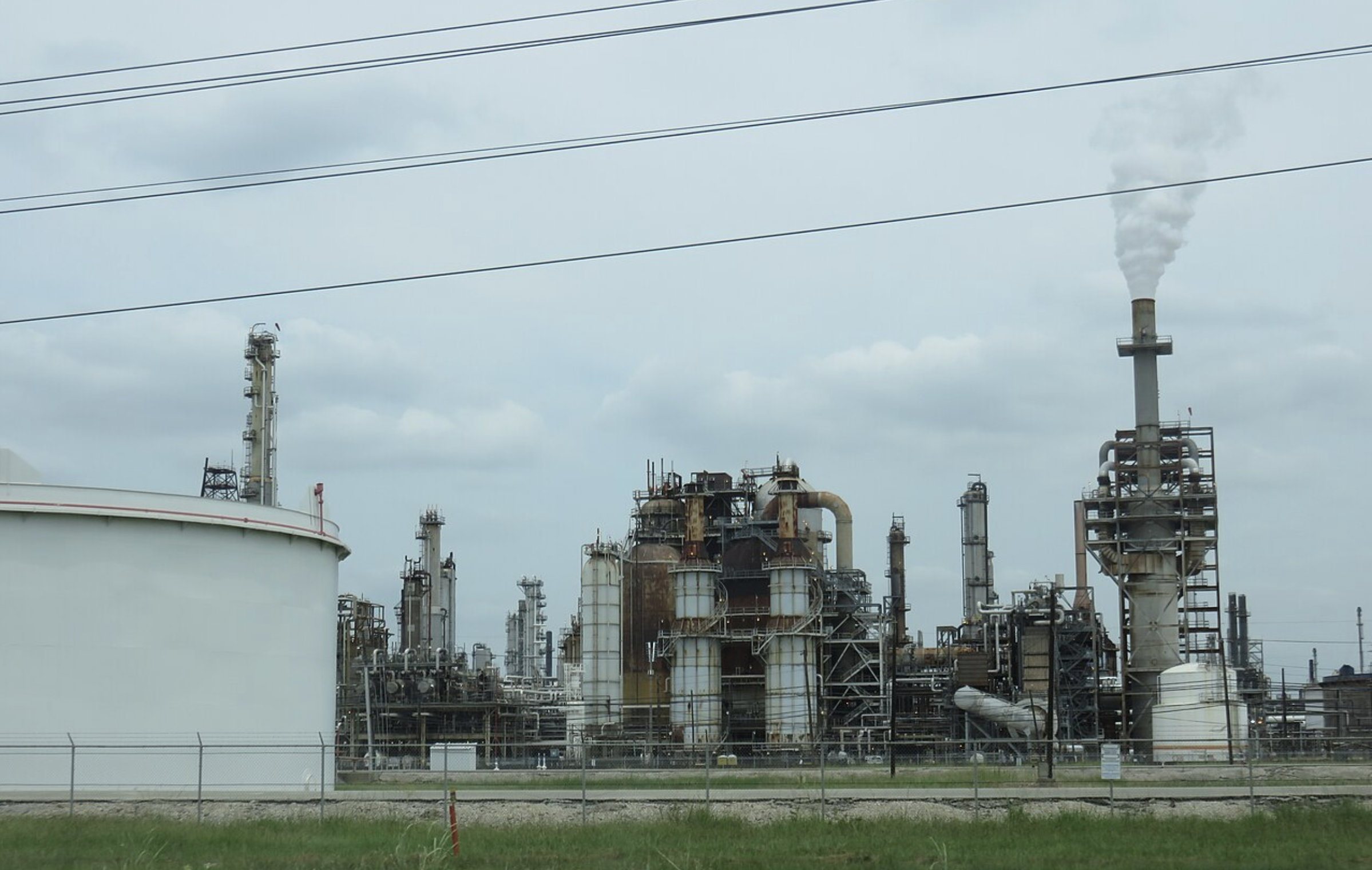
Houston’s refining complex is capitalizing on a dramatic reshuffling of global oil trade patterns triggered by ongoing attacks on vessels transiting the Red Sea, positioning Gulf Coast facilities to capture market share as traditional shipping routes face persistent disruption.
Since October 2023, more than 50 Houthi attacks on commercial shipping have forced vessels to detour around the Cape of Good Hope, adding 10 days or more to delivery times and fundamentally altering the economics of global fuel distribution.
Reshaping Trade Routes
The impact has been dramatic. Suez Canal trade dropped 50% in the first two months of 2024 compared to a year earlier, according to the International Monetary Fund. The Red Sea route normally handles about 15% of global maritime trade volume, making it one of the world’s most critical shipping corridors.
Ship tracking data from Kpler shows that more than 20% of oil tanker trade now takes the long detour around the Cape of Good Hope, with jet fuel most impacted—almost 50% of total diesel flows now avoiding the Red Sea entirely.
The disruption has created asymmetric advantages. Vessels and cargoes linked to Israel, the United States, and Europe largely cannot use the Red Sea shortcut due to Houthi targeting, while ships without such ties continue using the route relatively unmolested—creating what amounts to targeted economic sanctions through maritime disruption.
Houston’s Strategic Position
The Gulf Coast refining hub, which accounts for more than 55% of total U.S. refining capacity, has emerged as a major beneficiary of the disrupted trade patterns.
Houston-area refiners are snapping up higher volumes of Middle Eastern and South American crudes to offset the loss of Venezuelan and Mexican barrels, according to ship tracking data. The shake-up reflects a shortage of medium and heavy crude grades at the key refining hub, which has struggled to secure adequate supplies amid Mexican production challenges and U.S. pressure on Venezuela’s sanctioned energy industry.
Fuel oil imports into the Gulf Coast hit a record low of 213,000 barrels per day in June 2025, down from 430,000 bpd the previous year. This dramatic decline stems from refiners running heavier, sourer crude slates that produce more residue domestically—reducing dependence on imports and improving margins.
Competitive Advantages
The disruption has created significant competitive advantages for U.S. refiners. Wood Mackenzie analysis shows that while freight rates have naturally increased along with European refined product cracks, U.S. Gulf Coast refiners have maintained healthy margins by capitalizing on advantageous crude pricing and their strategic position in altered trade flows.
Global crude exports declined 2% in 2024—the first fall since COVID-19—as refinery and pipeline changes reshuffled trade routes. Middle Eastern crude exports to Europe tumbled 22% as refineries shut down amid continued Red Sea shipping attacks.
This created opportunities for Gulf Coast refiners to redirect output. With European facilities struggling and Asian buyers facing longer delivery times, Houston’s refining complex can serve both domestic markets and strategically positioned export customers more efficiently than competitors hamstrung by disrupted supply chains.
Persistent Disruptions
The advantage appears likely to persist. Despite U.S. and U.K. military strikes on Houthi positions, attacks on Red Sea shipping have continued, with neither Iran nor Israel seeking full-scale war but Iran encouraging its proxies to adopt a long-term strategy of military engagement.
The amount of crude oil and products flowing around the Cape of Good Hope increased nearly 50% in the first five months of 2024 compared with the 2023 average, according to U.S. Energy Information Administration data based on Vortexa tanker tracking. This represents a fundamental restructuring of global oil trade patterns, not a temporary disruption.
Market Implications
The reshuffling carries significant implications for global energy markets. Russian exports—with almost 80% of crude and product shipments using the Red Sea to reach the Middle East and Asia—face particular vulnerability. Meanwhile, the U.S. has boosted its global oil trade share to 9.5% with continued shale production growth.
For Houston’s refining sector, the disruption represents an opportunity to cement long-term competitive advantages built on geographic position, operational flexibility, and the ability to process diverse crude slates as global supply chains remain in flux.
As JPMorgan analysis notes, the Red Sea shipping crisis has created uneven impacts across the global economy, with some firms and regions experiencing significant disadvantages while others—like Houston’s refiners—capture the upside of disrupted competition.