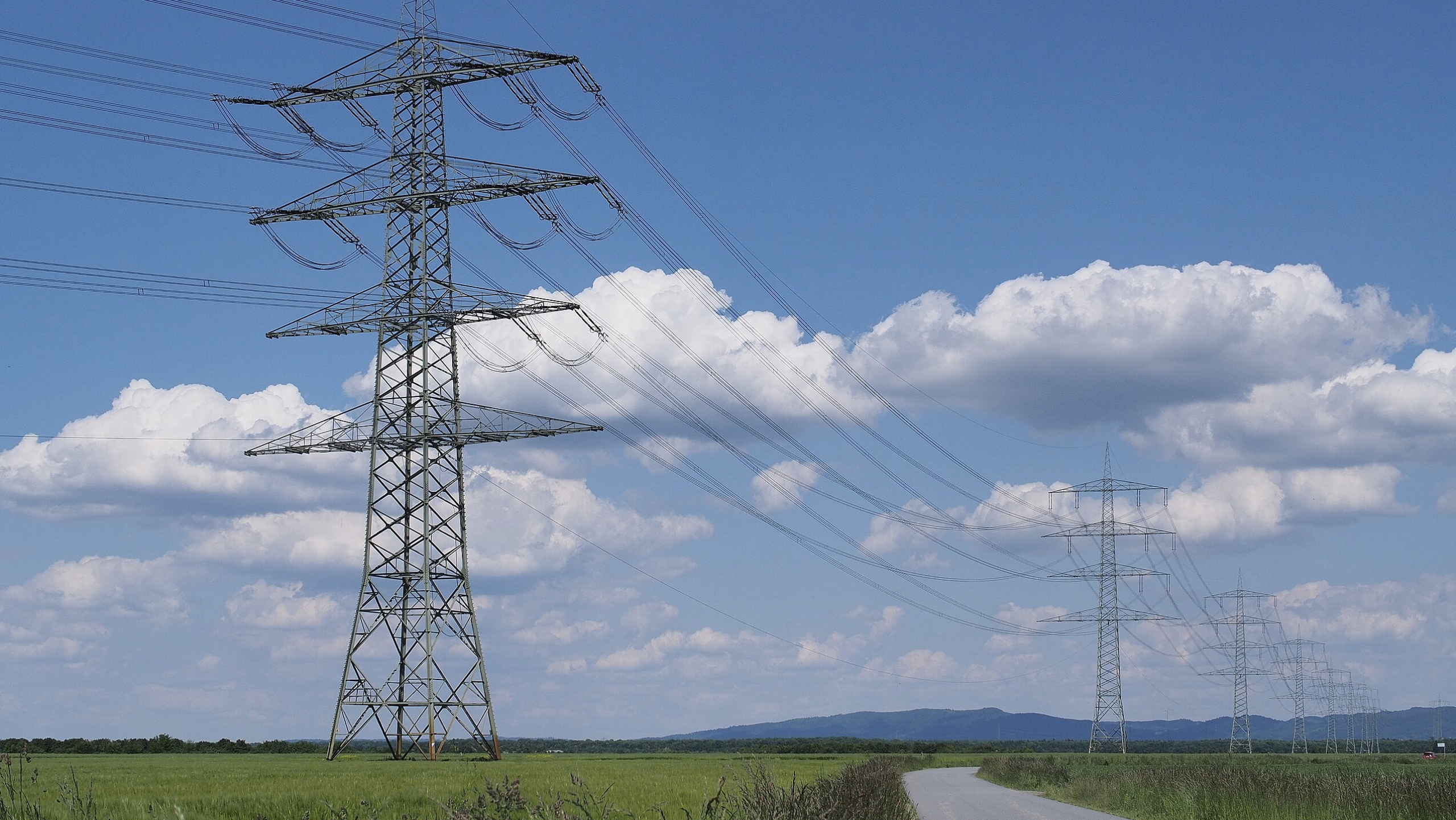
U.S. lawmakers have initiated a strategic legislative push to fast-track the permitting process for critical power generation facilities in Texas, citing an urgent nexus between grid reliability and national security. The proposed measures aim to bypass traditional regulatory bottlenecks for projects deemed essential to maintaining the operational integrity of the Electric Reliability Council of Texas (ERCOT) grid, which supports a high concentration of military installations, defense contractors, and burgeoning domestic semiconductor manufacturing.
Data and Measures: The Scale of Energy Demand
The legislative push is driven by quantitative shifts in energy consumption and infrastructure requirements within the Texas Interconnection. Key data points include:
- Load Growth Projections: ERCOT recently revised its 2030 peak demand forecast upward to approximately 152,000 megawatts (MW), a significant increase from previous estimates, driven largely by data centers and industrial electrification.
- Permitting Timelines: Under current National Environmental Policy Act (NEPA) frameworks, large-scale energy projects often face a multi-year federal review process. The proposed “Fast-Track” status aims to reduce the federal permitting window by 50% to 70% for projects categorized as security-critical.
- The Texas Energy Fund: State-level support via the Public Utility Commission of Texas (PUCT) has already allocated $5 billion in low-interest loans for new dispatchable generation; however, federal regulatory delays remain a primary obstacle to deployment.
- Military Presence: Texas hosts 15 major military installations, including Fort Cavazos and Joint Base San Antonio, which rely on the civilian grid for mission-critical operations.
Geopolitical and Economic Driver
The move to prioritize Texas power infrastructure is not merely a regional utility concern but a calculated response to broader geopolitical tensions. As the United States seeks to de-risk its supply chains, Texas has emerged as a central hub for the “onshoring” of critical technologies.
- Defense Industrial Base: The concentration of aerospace and defense manufacturing in the “Texas Triangle” requires a level of grid “n-1” reliability that current projections suggest may be at risk without rapid capacity additions.
- Artificial Intelligence and Data Sovereignty: The rapid expansion of data centers—essential for AI development and national cyber-infrastructure—has placed unprecedented localized stress on the grid. Lawmakers argue that energy scarcity in this sector constitutes a direct threat to U.S. technological leadership over global adversaries.
- The Texas “Energy Island” Status: Because ERCOT operates largely independently of the national eastern and western interconnections, it lacks the ability to import significant power during emergencies. This isolation necessitates a self-sufficient and robust internal generation portfolio to prevent systemic collapses that could paralyze federal assets within the state.
Risks and Strategic Implications
While the push for expedited permitting addresses immediate capacity concerns, expert analysis from the Department of Energy (DOE) and independent energy NGOs suggests a complex landscape of risks and limitations.
Strategic Benefits:
Industry analysts suggest that streamlining the Federal Energy Regulatory Commission (FERC)oversight roles in these specific cases would provide the “regulatory certainty” required to unlock billions in private capital. By linking power plants to national security, lawmakers are effectively elevating energy infrastructure to the same priority level as defense procurement.
Limitations and Risks:
- Environmental Oversight: Organizations such as the Sierra Club have raised concerns that “fast-tracking” may circumvent essential environmental protections and community engagement, potentially leading to litigation that could ironically stall the very projects the legislation seeks to accelerate.
- Technological Narrowness: There is an ongoing debate regarding the definition of “dispatchable” power. While lawmakers often focus on natural gas, some experts argue that long-duration energy storage and advanced nuclear must be included in the fast-track framework to ensure long-term resilience.
- Operational Integrity: Rapidly integrating massive new loads without corresponding transmission upgrades could lead to localized congestion, potentially negating the benefits of new generation.
Conclusion:
The legislative effort signals a shift in policy, where energy infrastructure is increasingly viewed through the lens of national defense. As the bill moves through committee, the primary challenge for policymakers will be balancing the urgent need for speed with the necessity of rigorous environmental and technical oversight.