Defense manufacturers and military production partners are accelerating expansions of Texas facilities this year as part of broader efforts to meet 2026 defense production targets for aircraft components, unmanned systems and precision tooling. Recent announcements from state, local and industry sources show investments in new manufacturing space and capability upgrades tied to Department of Defense demand. We reached out to the relevant companies and the U.S. Department of Defense for comment.
Why It Matters
Texas is a central hub for U.S. defense manufacturing, hosting major military installations, aerospace suppliers and defense R&D organizations that contribute to national security production goals. Expanding facilities now — as the Pentagon finalizes and refines production targets for fiscal year 2026 — aims to reduce bottlenecks and strengthen supply chains for munitions, aircraft parts and unmanned aerial systems critical to military readiness.
These projects also carry economic implications, creating thousands of jobs and positioning Texas as a strategic defense industrial base ahead of anticipated increases in federal procurement contracts in 2026.
What To Know
At the Red River Army Depot in Texarkana, federal lawmakers, including Senators Ted Cruz and John Cornyn, have backed the SkyFoundry Act of 2025, which has been introduced in Congress and lays the groundwork for establishing a drone production facility intended to position the depot to meet growing demand for unmanned aircraft systems needed by the DOD by 2026.
Defense supplier GI Corporation announced expanded manufacturing in Houston to increase precision tooling output for aerospace and defense clients, part of a broader “Bring Manufacturing Home” strategy aligned with Pentagon supply chain objectives.
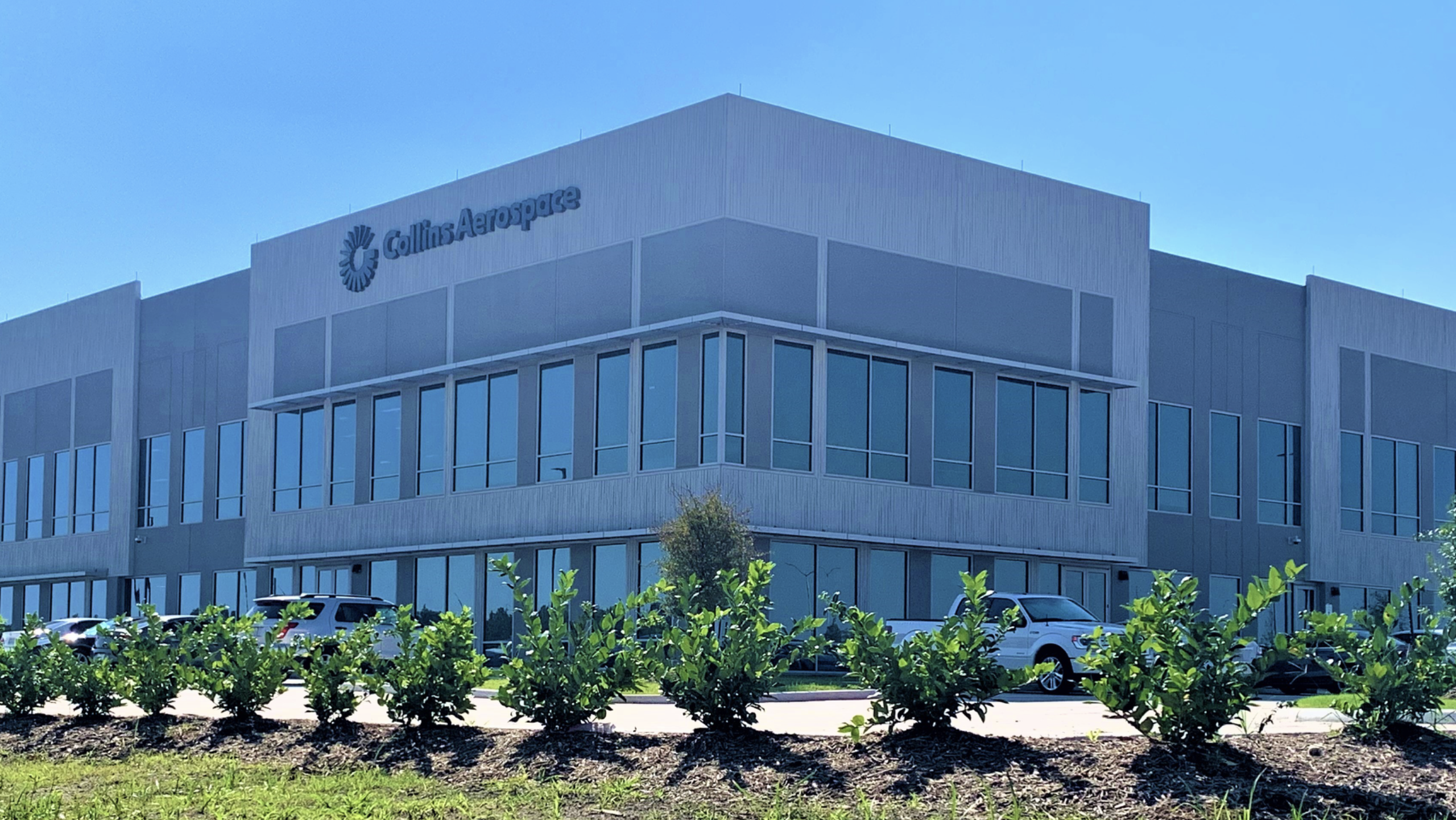
In Richardson, Collins Aerospace is expanding its manufacturing and research facilities, with a $57 million investment expected to create more than 570 jobs producing defense and aerospace components for military aircraft.
In North Texas, Bell Textron announced a new $429 million component manufacturing facility in 2024 in Fort Worth that will support production of the U.S. Army’s Future Long Range Assault Aircraft (FLRAA). The 447,000 square-foot plant is slated to begin low-rate initial production ahead of future Army delivery milestones.
Across the state’s defense ecosystem, efforts also extend into adjacent capabilities: the Texas Institute for Electronics (TIE) at the University of Texas at Austin was awarded funding to establish an R&D microelectronics hub that will support military systems design, addressing long-term semiconductor supply needs.
Explicit caveat: While these expansions and legislative actions indicate industry momentum toward meeting 2026 defense production goals, individual facilities are at different stages of build-out and do not yet represent completed production lines or certified output metrics tied to specific Pentagon contracts.
What People Are Saying
Philippe Limondin, vice president and general manager, Collins Aerospace, said the company’s Richardson expansion positions Texas as a “central node of aerospace and defense manufacturing,” highlighting state support and job creation as key factors in the site’s growth strategy.
Local officials in Texarkana supporting the SkyFoundry initiative told regional media that establishing drone manufacturing at the Red River Army Depot would “ensure the United States remains at the forefront of drone production,” aligning workforce and regional economic growth with national defense imperatives.
What Happens Next
Construction and fit-out work at Bell Textron’s Fort Worth facility is expected to continue into late 2025, with production readiness phases rolling into 2026. The SkyFoundry Act must still pass Congress and be enacted to formally authorize the drone production site at Red River Army Depot. Companies like GI Corporation and Collins Aerospace are ramping up hiring and equipment installations this year to align with anticipated increases in defense contract awards tied to the Pentagon’s fiscal year 2026 production schedules.