Major defense manufacturers are relocating critical production operations to Texas, driven by concerns over coastal supply chain vulnerabilities and the need for more resilient infrastructure in an era of increasing geopolitical uncertainty.
The trend reflects a broader industry reassessment of manufacturing risk, with contractors prioritizing inland locations that offer protection from both natural disasters and potential threats to coastal facilities.
Bell Textron’s Texas Expansion
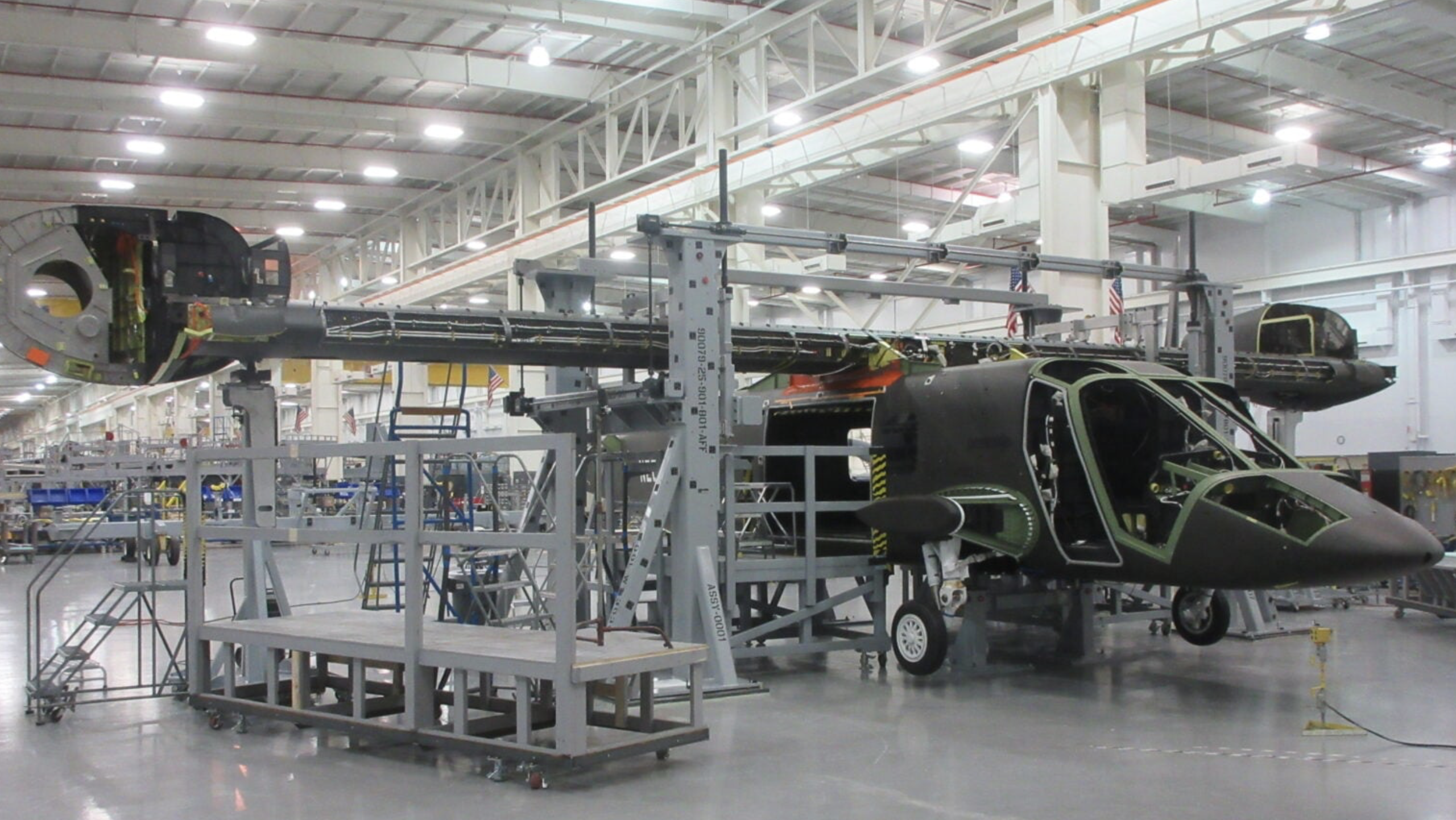
In December 2024, Bell Textron announced a $632 million investment to build a major manufacturing facility in Fort Worth’s Alliance area. The 447,000-square-foot factory will produce components for the Army’s Future Long Range Assault Aircraft (FLRAA), the next-generation helicopter replacing the UH-60 Black Hawk.
“This was truly a generational shift to where the United States Army is going,” Bell CEO Lisa Atherton said at the announcement alongside Texas Governor Greg Abbott.
The facility is expected to create 520 full-time jobs with an average annual salary of $85,000 by the end of 2039. Bell plans to have the facility operational when FLRAA enters low-rate initial production in 2028, with the first fielded aircraft arriving in the early 2030s.
Why Texas?
The Lone Star State’s appeal to defense contractors stems from multiple strategic advantages. Texas offers a central geographic location that reduces exposure to coastal storm systems and potential maritime threats. The state’s robust power grid infrastructure—despite occasional weather-related challenges—provides more redundancy than many coastal facilities can offer.
Governor Abbott highlighted that Bell’s project represents the first to be qualified under Texas’ new Jobs, Energy, Technology, and Innovation (JETI) program, a competitive economic incentive designed to attract advanced manufacturing. The state extended a Texas Enterprise Fund grant of $2.67 million to support the project.
“With more than 400 new jobs and a $429 million investment, Bell is making a Texas-sized investment in the future of Fort Worth and in the future of our great state,” Abbott stated. “There is no better place to build the future of America than in the great state of Texas.”
A Broader Industry Pattern
Bell’s move reflects growing recognition within the defense sector that supply chain resilience requires geographic diversification away from vulnerable coastal zones. The COVID-19 pandemic exposed critical weaknesses in just-in-time manufacturing systems, while increasing concerns about potential threats to port infrastructure have accelerated the shift inland.
Texas has emerged as a premier defense manufacturing hub, offering not just geographic advantages but also a business-friendly regulatory environment, access to skilled aerospace workers, and proximity to multiple military installations including Fort Hood (now Fort Cavazos), Dyess Air Force Base, and Naval Air Station Fort Worth Joint Reserve Base.
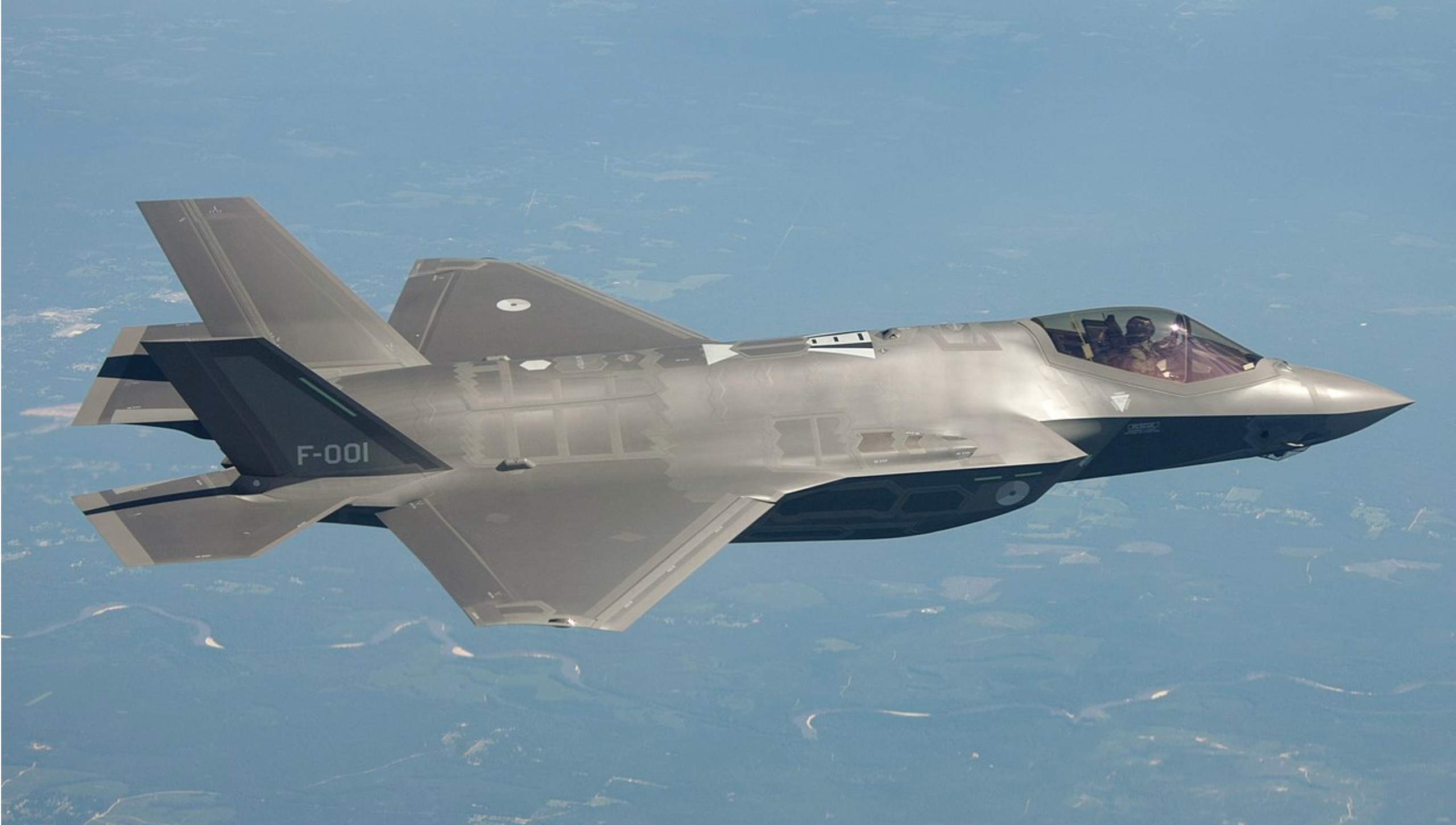
The state’s existing aerospace ecosystem—including Lockheed Martin’s Fort Worth facility that produces F-35 fighters—creates natural synergies for new defense manufacturing operations. Bell has established multiple manufacturing facilities since winning the FLRAA contract in December 2022, with continued expansion planned during the engineering and manufacturing development phase.
Strategic Implications
The relocation trend carries significant implications for national security planning. By dispersing critical manufacturing capabilities away from coastal concentrations, the defense industrial base becomes more resilient to both natural disasters and potential adversary targeting.
Brigadier General David Phillips, the Army’s program executive officer for aviation, has emphasized the importance of establishing robust domestic production capacity for next-generation platforms. The FLRAA program represents a revolutionary capability for Army aviation, and ensuring its production occurs in secure, resilient facilities has become a strategic priority.
As geopolitical tensions rise and climate change intensifies storm patterns along both coasts, expect more defense contractors to follow Bell’s lead in building the future of American military hardware in the heartland.