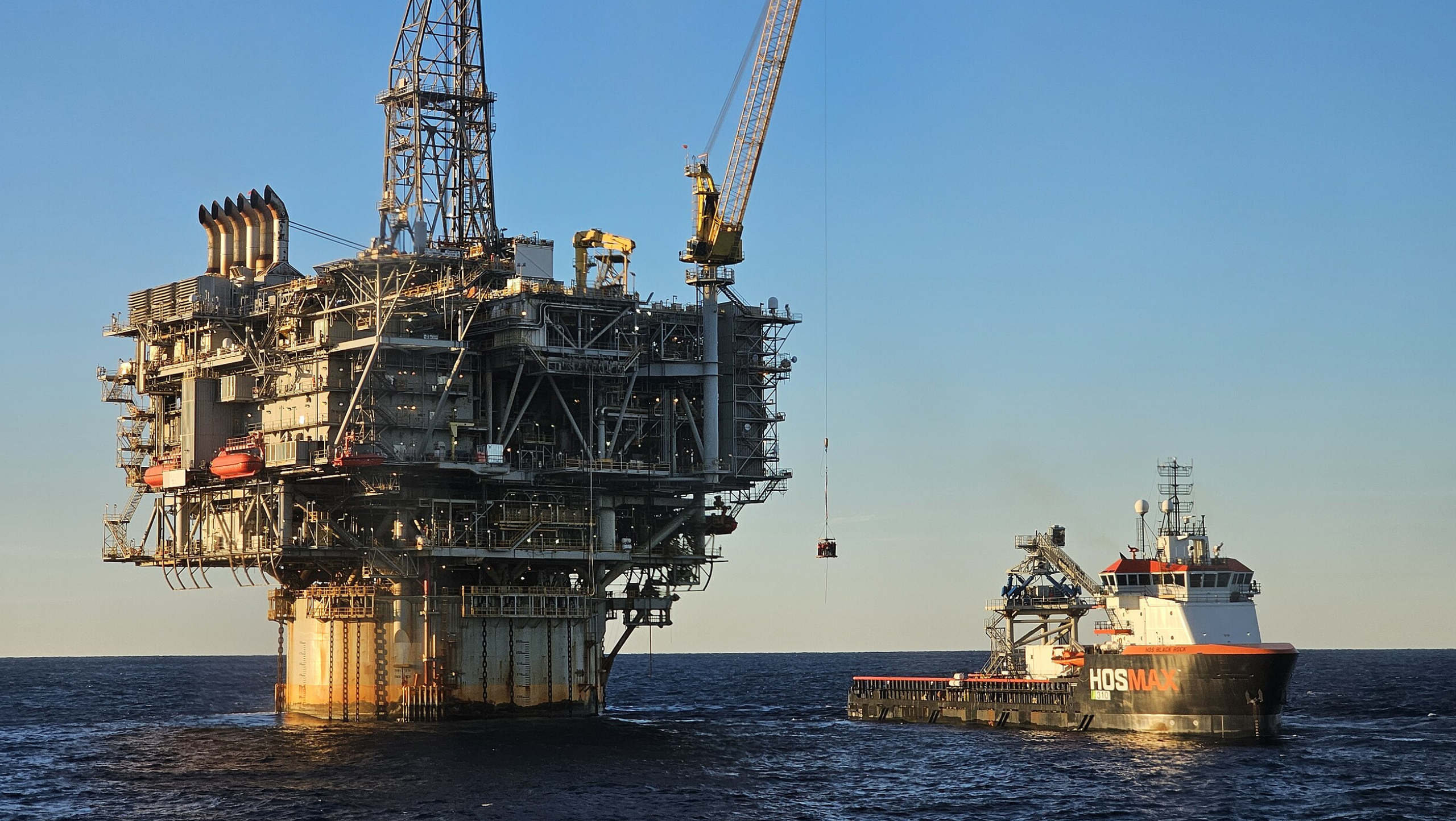
U.S. crude oil production reached near-record levels in December 2025, with Texas accounting for 43 percent of the nation’s crude oil production, solidifying its position as the dominant energy producer in the United States.
Texas Production Leadership
Texas is the top crude oil and natural gas producing state in the nation. In 2024, Texas accounted for 43 percent of the nation’s crude oil production and 28 percent of natural gas gross withdrawals, according to the U.S. Energy Information Administration.
The state’s 35 petroleum refineries can process about 6.3 million barrels of crude oil per calendar day, representing approximately one-third of the nation’s total refining capacity.
National Production Levels
Weekly U.S. crude oil production rose by 38,000 barrels per day in the week ending December 5, 2025, to 13.853 million barrels per day, according to Energy Information Administration data. Current production sits just 9,000 barrels per day below the all-time high.
In 2024, Texas produced a total of over two billion barrels of crude oil, according to industry data. New Mexico ranked as the distant second-largest producing state with 744.6 million barrels in the same year.
Drilling Activity
The United States added one oil rig during the week ending December 12, 2025, bringing the total active oil rig count to 414, according to Baker Hughes. Despite the recent additions, oil rig count remains 68 below year-ago levels.
The Permian Basin, which spans West Texas and southeastern New Mexico, maintained a rig count of 249, down 55 rigs from the previous year. The Permian Basin is one of the nation’s most prolific oil and gas producers, accounting for 44 percent of U.S. crude oil production and 17 percent of U.S. gas production.
The Eagle Ford basin in South Texas added one rig to reach 39, seven fewer than the same period last year.
Economic Impact
The Texas oil and natural gas industry paid a record $27.3 billion in state and local taxes and state royalties in fiscal year 2024, according to the Texas Oil & Gas Association. The total shattered the previous year’s record by almost $1 billion.
Texas independent school districts received $2.92 billion in property taxes from oil and natural gas production, pipelines and gas utilities, while counties received $1.03 billion.
“Texas oil and natural gas makes an outsized and unmatched contribution to the financial might of our state—and the energy leadership of our nation,” said Todd Staples, president of the Texas Oil & Gas Association.
With a $751 billion economic impact in the state, the oil and gas industry serves as the backbone of the Texas economy.
Employment Trends
Texas upstream oil and gas employment stood at 204,800 in September 2025, up 1,900 jobs or 0.9 percent from the same month in 2024, according to the Texas Workforce Commission. Despite a monthly decline of 1,300 jobs in September, the sector added 3,900 jobs through the first nine months of 2025.
Production Outlook
The Energy Information Administration forecasts U.S. crude oil production will average 13.5 million barrels per day in 2026, about 100,000 barrels per day less than in 2025, according to the December 2025 Short-Term Energy Outlook. This forecast decline would follow four years of rising crude oil output.
As of December 12, 2025, West Texas Intermediate crude traded at $57.46 per barrel, down nearly $3 per barrel week over week. Brent crude traded at $61.08 per barrel, also approximately $3 per barrel lower than the previous week.