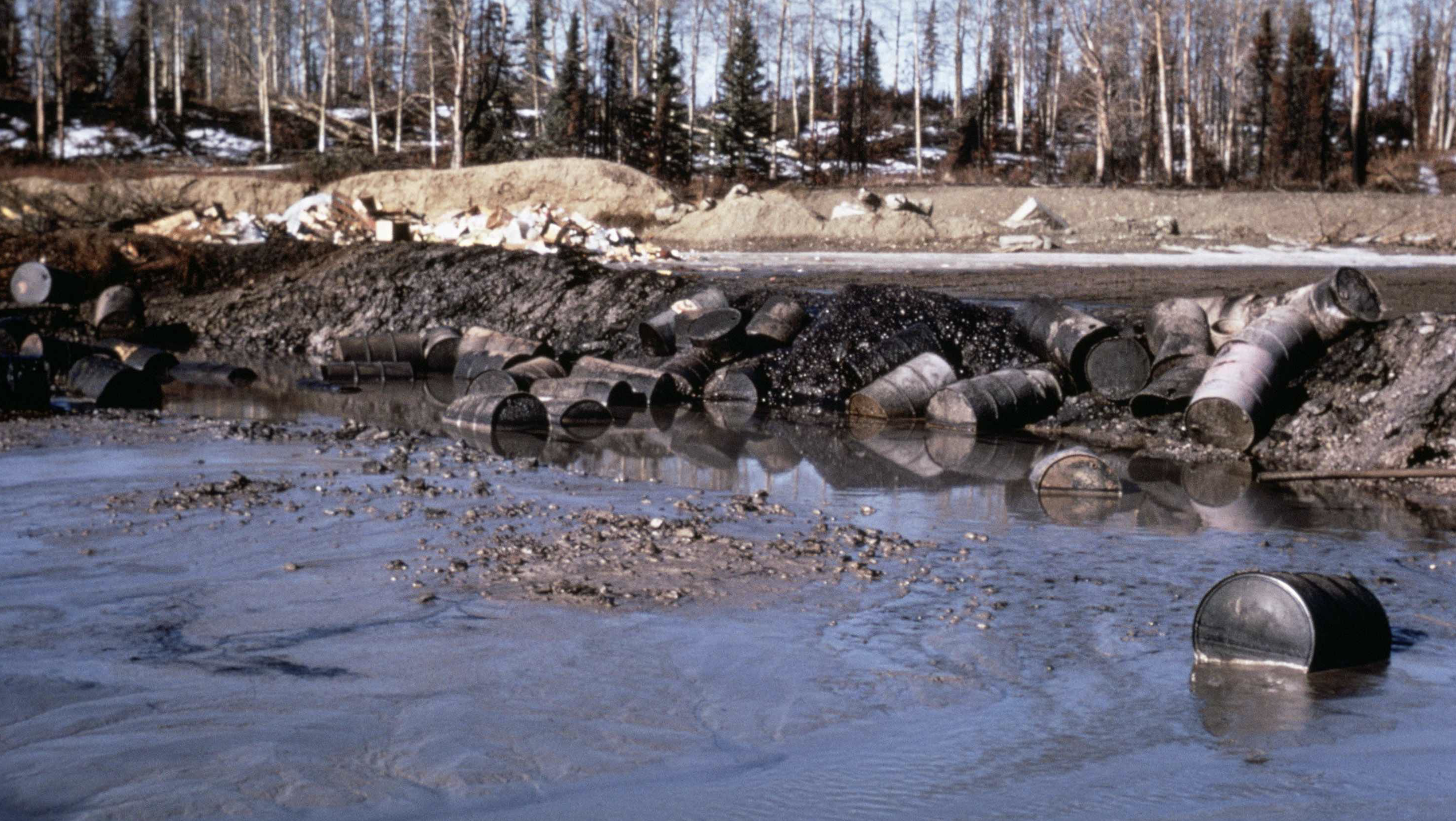
The Texas Supreme Court ruled on June 27, 2025 that produced water from oil and gas operations belongs to drilling companies holding mineral leases, not surface landowners, resolving a dispute over ownership of wastewater that companies increasingly view as a valuable resource rather than waste.
The unanimous decision in Cactus Water Services v. COG Operating established that produced water is oil and gas waste and therefore part of the mineral rights estate. Justice John Devine wrote that “produced water is not water” but rather “waste—a horse of an entirely different color.”
The Case
The Collier family leased 37,000 acres in Reeves County’s Permian Basin to COG Operating, which drilled 72 horizontal wells generating over 52 million barrels of produced water. COG spent more than $21 million disposing of the wastewater, which contained potassium, strontium, barium, iron, and other contaminants.
The Colliers subsequently signed produced water lease agreements with Houston-based Cactus Water Services, attempting to create a new revenue stream from the wastewater. COG sued in 2020, arguing it owned the produced water under its mineral leases.
Legal Framework
Texas law distinguishes between mineral rights and surface rights. Under the rule of capture, groundwater belongs to surface owners. The dispute centered on whether produced water qualifies as oil and gas waste included in mineral leases or as groundwater belonging to surface owners.
The court ruled that unless expressly reserved in lease agreements, produced water belongs to the mineral lessee.
Industry Impact
The ruling comes as companies seek alternatives to disposal wells, which have been linked to earthquakes. Produced water is increasingly viewed as a potential source of revenue through agricultural use, critical mineral extraction, and lithium recovery. Element3 announced in 2024 it had successfully extracted lithium from Permian Basin produced water.
Numerous oil and gas companies and trade associations supported COG’s position, with the Texas Oil & Gas Associationarguing that ruling for Cactus would “upend the State of Texas’s regulatory regime for oil and gas waste.”
Unresolved Questions
The decision leaves open questions about ownership of minerals like lithium contained in produced water, since oil and gas leases typically do not cover other minerals. Governor Greg Abbott signed House Bill 49 to shield companies selling produced water from liability.