Federal energy regulators and Texas grid overseers are increasingly focused on winter reliability risks for the Texas power grid, driven by rapid growth in electricity demand from military installations and artificial-intelligence data centers, according to recent regulatory reporting. The Electric Reliability Council of Texas (ERCOT) has seen its queue of large-load interconnection requests swell to record levels, prompting attention from federal authorities and state regulators. We reached out to ERCOT and the Federal Energy Regulatory Commission (FERC) for comment.
The shift in focus follows FERC’s recent directive requiring the PJM Interconnection to develop new rules governing artificial-intelligence-related load connections, underscoring growing national concern about integrating large, fast-ramping electricity customers into regional power systems.
Why It Matters
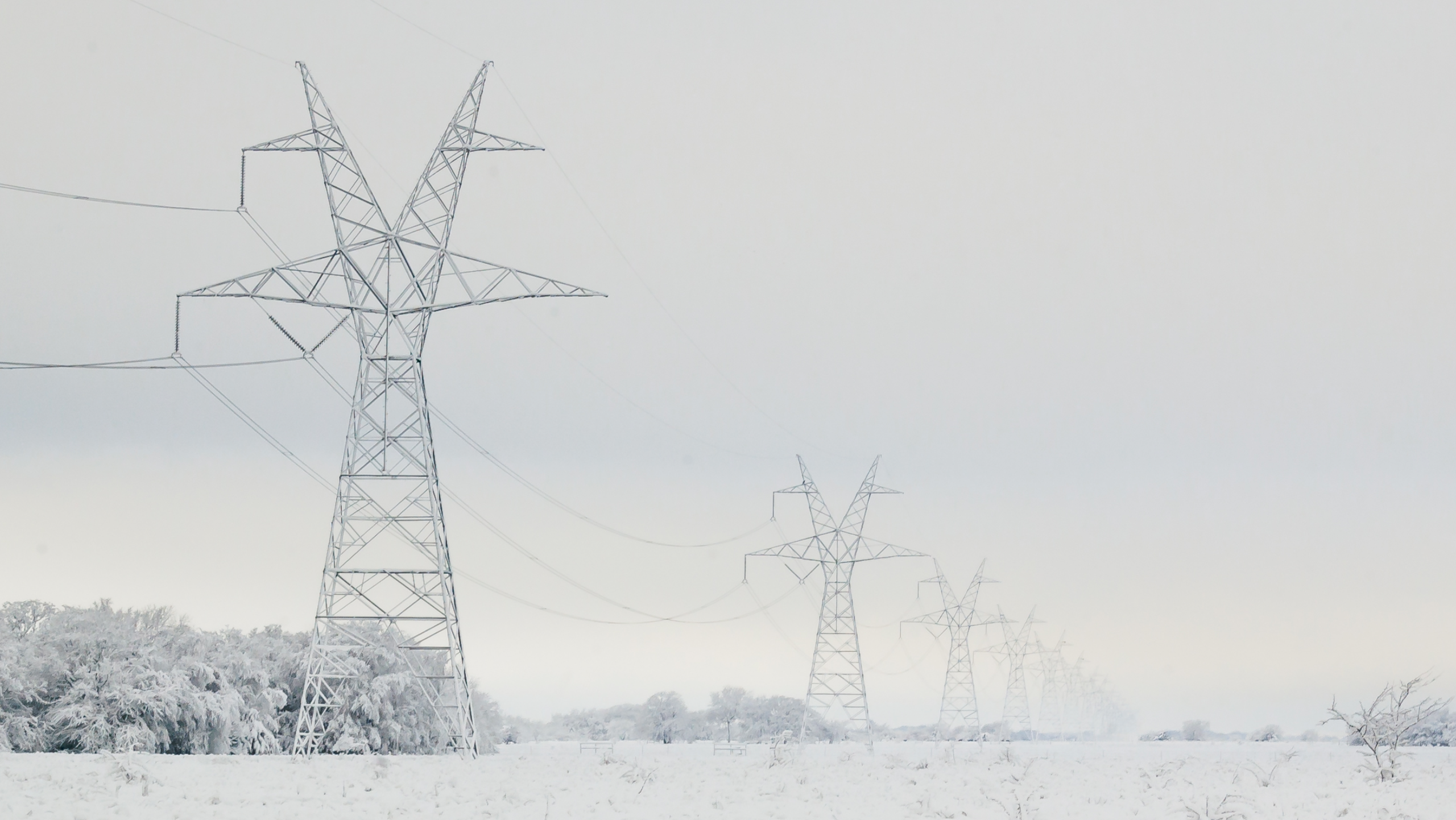
Texas operates the nation’s largest standalone power grid, serving more than 25 million customers and much of the state’s industrial and defense infrastructure. Winter reliability has remained a public-interest issue since Winter Storm Uri caused widespread outages in 2021, and improving cold-weather performance remains a central planning challenge.
Rapid growth in high-demand facilities such as AI-driven data centers has implications for long-term grid planning and national security, increasing federal attention to a system that traditionally operates largely outside interstate regulatory oversight.
What To Know
ERCOT’s queue for large electricity load interconnection requests has expanded sharply, reaching approximately 226 gigawatts, nearly quadruple the total from a year earlier, according to reporting on ERCOT filings by Latitude Media. Most of the growth is tied to data centers and other energy-intensive facilities, far exceeding the amount of new generation currently under development.
Grid oversight bodies have flagged the “disorganized integration of large loads” as a growing reliability risk. A recent regional assessment by the Texas Reliability Entity identified artificial intelligence-related demand growth as an emerging concern for 2025, though the likelihood is currently rated as moderate in its annual risk assessment.
Texas lawmakers responded to accelerating load growth by passing Senate Bill 6, which directs the Public Utility Commission of Texas to adopt new standards governing large-load interconnections and potential demand-management requirements, as detailed by RTO Insider.
Explicit caveat: Planning documents and risk assessments describe growth trends and integration challenges but do not establish evidence of imminent widespread outages or attribute specific reliability failures directly to military or artificial-intelligence-related electricity loads.
What People Are Saying
David Penny, director of reliability services at Texas RE, told Utility Dive that “the disorganized integration of large loads constitutes the largest increased risk to the grid.”
Pablo Vegas, chief executive officer of ERCOT, said in comments reported by Community Impact that the grid is expected to remain stable under typical winter conditions, while acknowledging that extreme cold combined with high demand could still require emergency actions.
FERC Chair Laura Swett said in a statement reported by Reuters that the commission’s directive on AI-related interconnections was intended to strengthen “national and economic security” as electricity demand from advanced computing accelerates.
What Happens Next
ERCOT is expected to issue additional seasonal reliability updates as winter progresses, while the Public Utility Commission of Texas continues implementing Senate Bill 6 through rulemakings and regulatory filings. Federal regulators are also monitoring how large-load growth unfolds nationwide, with further interconnection proceedings expected in 2026.