Houston-based Sable Offshore CEO James Flores is locked in a regulatory battle with California over plans to restart dormant oil platforms off the Santa Barbara coast, a project that could generate millions in revenue if successful.
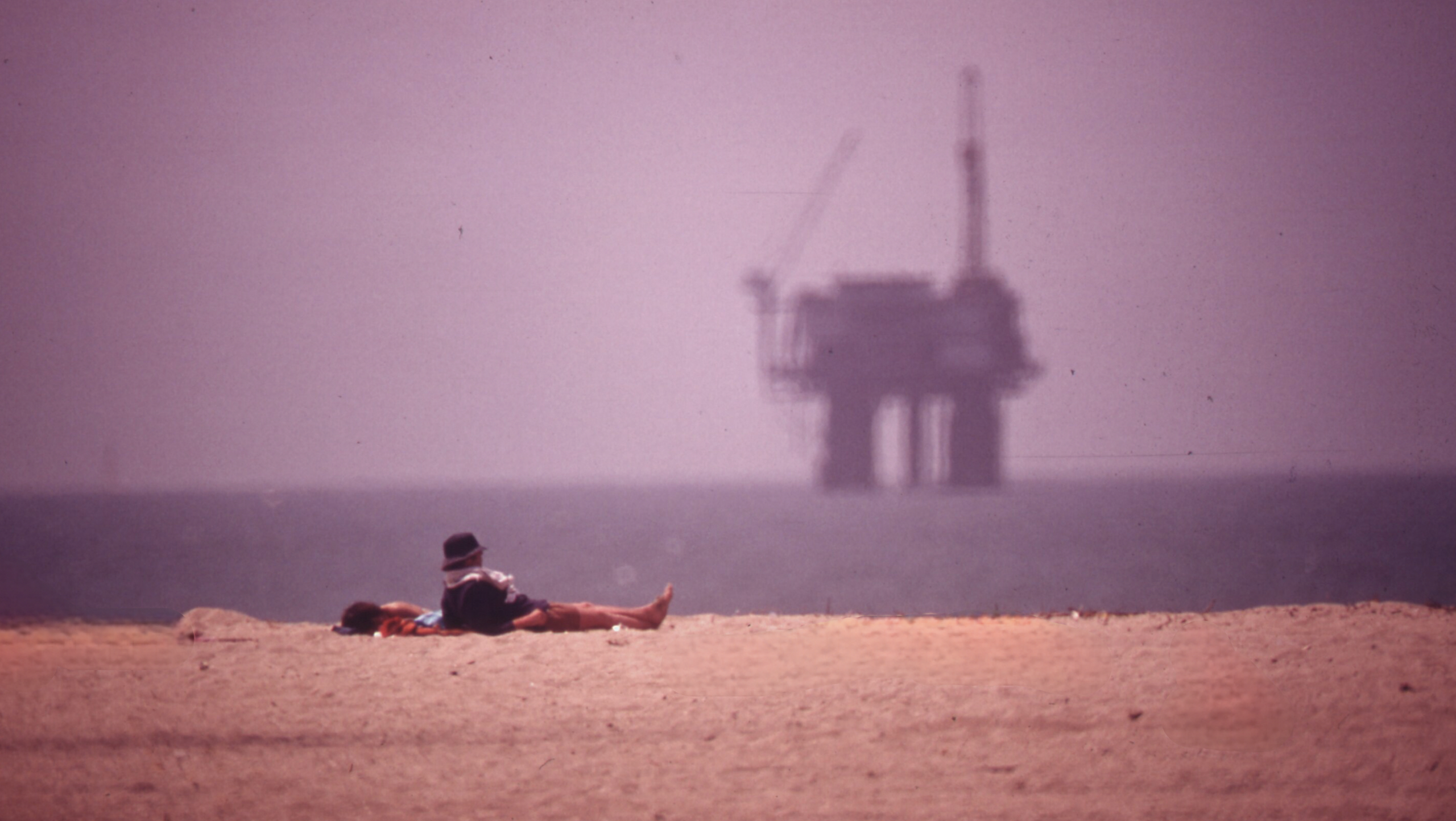
Sable acquired three offshore platforms and related infrastructure from Exxon Mobil in federal waters near Santa Barbara in 2024. The company aims to repair a pipeline that ruptured in the 2015 Refugio oil spill, which released approximately 100,000 gallons of crude oil, with 21,000 gallons reaching the Pacific Ocean.
Flores wagered that Sable could fix the pipeline, resume production, and ship tens of thousands of barrels of crude to California refineries. The company resumed limited production at Platform Harmony in May 2025, reaching 6,000 barrels per day.
State Opposition
Despite California’s struggle with high fuel prices and recent encouragement of inland drilling, state officials have strongly opposed Sable’s offshore project. Governor Gavin Newsom signed legislation in September 2025 imposing stricter testing requirements for restarting inactive intrastate oil pipelines, directly targeting Sable’s operations.
California officials have characterized Sable as a risky operator that threatens sensitive coastal areas. The California Coastal Commission ordered the company to stop work in April 2025 and levied an $18 million fine for failing to obtain necessary permits. Sable disputes the commission’s authority and maintains it has obtained all required federal permits.
Industry Context
The dispute highlights California’s conflicting energy priorities as major oil companies exit the state while fuel prices remain elevated. The Santa Ynez Unit platforms have been idle since the 2015 spill shut down the pipeline connection to shore processing facilities.
Sable has sought support from the Trump administration to overcome state regulatory obstacles, appealing to federal authorities to advance the stalled project.